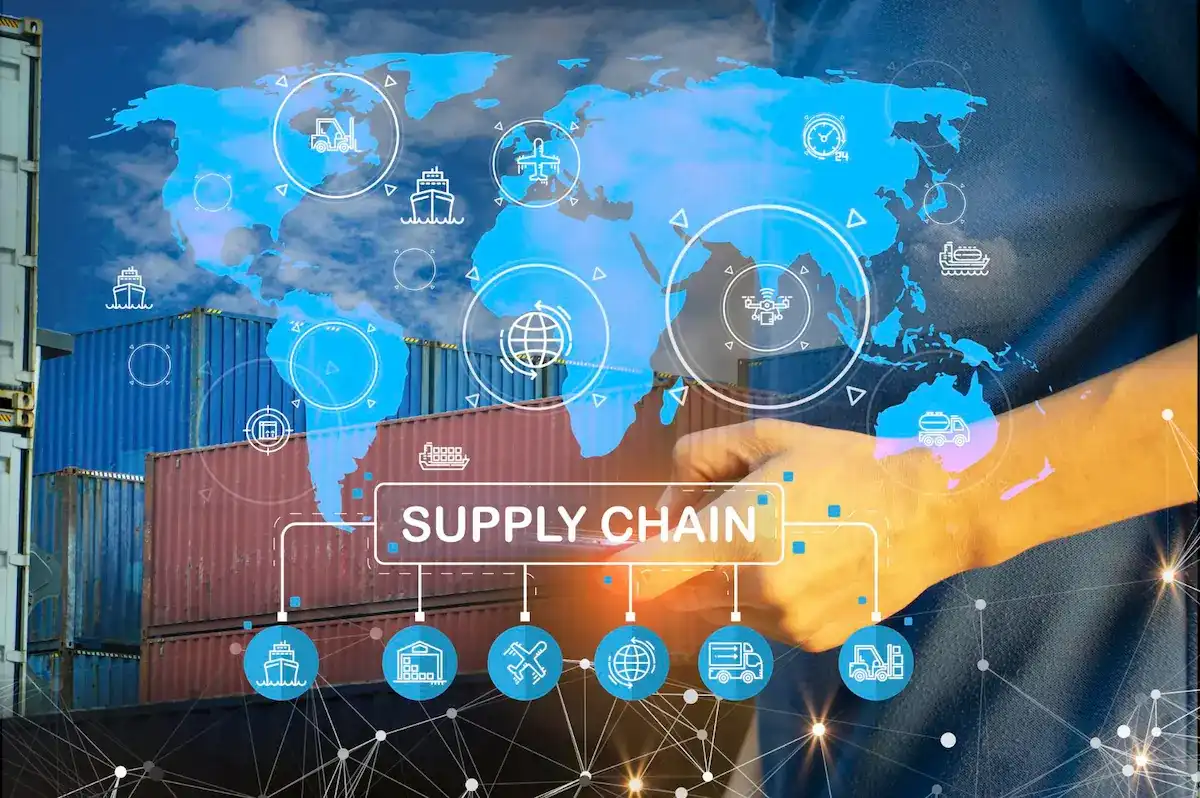
In today’s rapidly changing industrial landscape, a reliable supply chain is essential to maintaining operational continuity, meeting project deadlines, and responding effectively to changing market demands. For industries that depend on critical electrical and mechanical components, having access to reliable products and responsive suppliers can make a significant difference.
The Importance of a Resilient Supply Chain
Industrial projects often involve complex requirements, strict schedules, and demanding operating environments. Delays in the availability of essential components can affect installation schedules, project completion, and overall operational efficiency.
A resilient supply chain helps businesses reduce these risks by ensuring that the right products are available when they are needed. This requires more than simply maintaining product availability. It also involves reliable sourcing, accurate product information, technical support, and effective communication throughout the procurement process.
Reliable Products for Industrial Applications
Electrical components such as cable glands, conduit systems, fittings, and hazardous area equipment play an important role in industrial installations. Selecting products that meet the required technical specifications and applicable standards is essential for maintaining the reliability and safety of an installation.
Working with established manufacturers and trusted brands such as Hawke, Crouse-Hinds, and CMP Products can provide access to solutions designed for demanding industrial applications.
Supporting Project Requirements
Every project has different requirements. Cable specifications, installation environments, materials, certifications, standards, and delivery schedules can all influence product selection.
A reliable supplier should be able to understand these requirements and provide the appropriate product information and technical documentation. This allows project teams and procurement departments to make informed decisions while reducing the risk of delays caused by incorrect product selection.
Improving Procurement Efficiency
An effective supply chain also depends on clear and efficient communication. Providing detailed product specifications, quantities, and project requirements at the beginning of the procurement process can help accelerate quotation and product selection.
Digital communication and accurate product documentation can further improve the process by making it easier for customers to review specifications, compare requirements, and coordinate with their internal teams.
Preparing for Future Challenges
Supply chain resilience is not only about responding to current challenges. It is also about preparing for future changes in market conditions, project requirements, and product availability.
Businesses can strengthen their supply chains by working with reliable partners, maintaining clear procurement processes, diversifying sourcing options where appropriate, and establishing effective communication with suppliers.
Building Long-Term Partnerships
Strong supplier relationships are an important part of a resilient industrial supply chain. Beyond supplying products, a reliable partner can provide technical assistance, product information, documentation, and support throughout the procurement process.
By combining reliable products, technical expertise, and responsive service, businesses can build stronger supply chains that support long-term operational and project success.
Conclusion
Building a resilient supply chain requires a combination of reliable products, trusted suppliers, accurate information, and effective communication. As industrial requirements continue to evolve, having a dependable supply partner can help businesses manage procurement challenges and maintain continuity across their operations and projects.
We are committed to supporting our customers with reliable industrial products and responsive solutions tailored to their specific requirements.